
Have you ever played a game and thought about how you could make it even more exciting? If so, you're in the perfect place! The field of game design is more vibrant and expansive than ever. By learning game design, you can transform your love for playing games into a rewarding career creating them.
Pursuing a career in gaming is no longer just a dream. Game designers are highly sought-after, with a median salary of around $98,540 in 2023. The industry's steady growth over the next decade ensures a bright future, allowing you to do what you love while building a stable career.
Learning game design is your gateway to this dynamic world. It equips you with the skills to turn your ideas into interactive experiences enjoyed by millions. You'll blend creativity, storytelling, and technology to craft something entirely your own.
What You'll Gain from a Game Design Course
So, what can you expect to learn in a game design course? It's all about uncovering what makes a game engaging, challenging, and memorable. You'll transition from being a player to a creator by mastering the core elements of game design.
These courses cover everything from the overarching concepts to the smallest details. You'll learn to create rules that are simple to understand but difficult to master, write stories that captivate players, and design characters that leave lasting impressions. It's a blend of artistic creativity and strategic thinking.
Exploring Education Paths: Degrees, Certifications, and More
There isn't a one-size-fits-all route to becoming a game designer. You can choose a path that aligns with your lifestyle, budget, and aspirations. Each option offers unique ways to develop the skills needed to succeed in this field.
If you're aiming for an in-depth learning experience and a long-term career, a four-year Bachelor's degree might be ideal. Alternatively, if you want to quickly become job-ready or pivot to a new career, an intensive certification program or bootcamp could be a great fit. These options emphasize practical, hands-on skills.
Education has become incredibly adaptable. You can start small with an online course to see if game design suits you. Many certifications even allow you to transfer credits toward a full degree later. This step-by-step approach lets you build your education progressively.
Individual Online Courses: Perfect for focusing on a specific skill, like character design, at your own pace.
Certifications & Bootcamps: Short-term, targeted programs designed to prepare you for the job market.
Bachelor's Degrees: Comprehensive programs offering theoretical and practical knowledge.
Executive Education: Ideal for professionals looking to integrate game design into their careers.
Where to Learn: Platforms and Institutions
Today, you can study game design from virtually anywhere. Popular online platforms like Coursera feature courses from top universities and companies. These programs let you learn from industry leaders without leaving home and offer a structured way to explore various topics.
Specialized schools and training centers focused solely on game development are also available. Some of these institutions partner with major companies like Unreal Engine or have instructors who’ve worked at renowned studios like Blizzard Entertainment. Learning from experienced professionals is an incredible advantage.
Whether you choose a well-known university or a specialized online provider, you’ll find plenty of excellent options. The best programs maintain strong ties to the gaming industry, ensuring you're learning the latest skills that employers value.
Essential Tools for Aspiring Game Designers
Creating a game requires the right tools. Just as an artist needs brushes, a game designer uses software to bring their ideas to life. In your studies, you'll gain hands-on experience with the same tools professionals use daily.
A game engine is the most critical tool. Think of it as the framework and workspace for your game. Engines like Unreal Engine are industry staples, used to create everything from indie projects to major titles. These tools handle the technical complexities, allowing you to focus on the creative aspects of game design.
You’ll also explore art and design software. Applications like Photoshop are essential for creating characters, environments, and user interfaces. Even if you're new to these programs, a quality game design course will teach you how to use them to realize your vision.
Building Your Portfolio: A Gateway to Opportunities
Completing a course is a significant achievement, but in game design, your portfolio often matters more than your diploma. A portfolio is a curated collection of your best work, showcasing your abilities to potential employers.
Think of it as your personal highlight reel. It might include course projects, self-made games, or designs created just for fun. Every project you complete during your studies is an opportunity to enhance your portfolio. It's concrete evidence of your skills and creativity.
Your portfolio narrates your journey as a creator, reflecting your style, technical expertise, and passion for game design. Start small, keep adding to it, and you'll eventually have a compelling showcase of your capabilities when you're ready to apply for jobs.
The Importance of Networking in the Gaming World
Developing games is often a collaborative effort, and building a career is no different. Establishing connections in the industry can be just as crucial as acquiring skills. Networking involves forming relationships with others who share your enthusiasm for gaming.
Good game design courses foster this sense of community. You'll interact with fellow students, exchange ideas in forums, collaborate on group projects, and receive feedback from peers. These connections could become your future colleagues or collaborators.
Your instructors and mentors also play a vital role in your network. As industry veterans, they can provide valuable insights and introduce you to opportunities. Building these relationships is an essential part of your career journey.
Choosing the Best Course for Your Goals
Feeling motivated to begin? That’s fantastic! The next step is selecting the game design course that’s best suited to you. This choice depends on your personal circumstances and what you hope to accomplish. Reflecting on a few key questions can help clarify your decision.
If you’re unsure, starting small is a great option. Try a free introductory course or a short workshop to explore game design without long-term commitment. It's a low-risk way to confirm your interest before enrolling in a more extensive program. Every expert designer began their journey with one small step.
No matter which path you choose, you're embarking on an exciting adventure. You have the opportunity to create immersive worlds, tell compelling stories, and bring joy to players around the globe. The journey is ready to begin—are you prepared to take the first step?
Related Articles
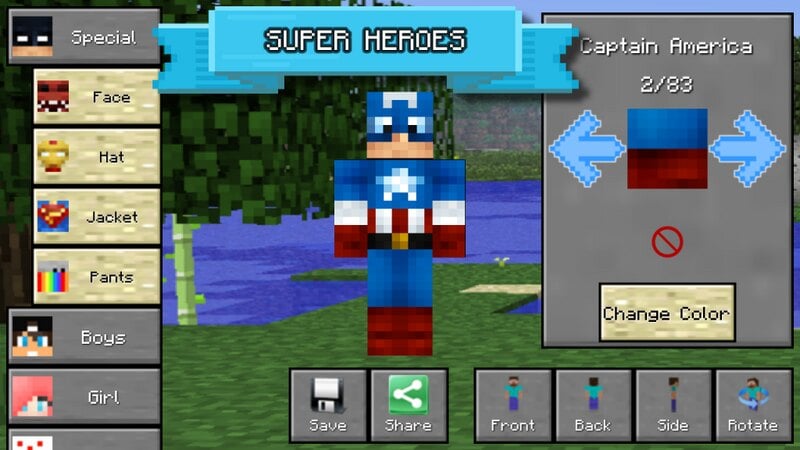
 How Construction Software Helps You Create Custom Skins
- How Construction Software Works and Why Builders Use It
- Why Custom Construction Software Helps You Avoid Data Overload
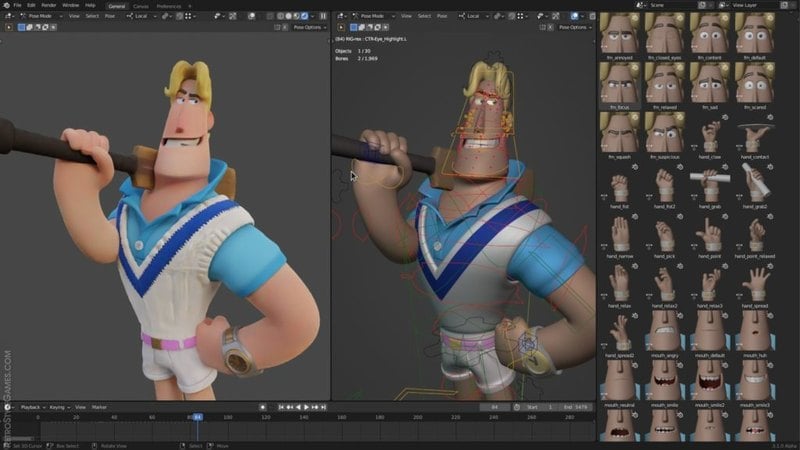
- Learn How to Create 3D Characters for Animation Step by Step
- Paying for a Smart TV Over Time: How BNPL Plans Really Work



- Everything ElseHow Construction Software Helps You Create Custom Skins
- Everything ElseHow Construction Software Works and Why Builders Use It
- Everything ElseWhy Custom Construction Software Helps You Avoid Data Overload
- Everything ElseLearn How to Create 3D Characters for Animation Step by Step
- Everything ElsePaying for a Smart TV Over Time: How BNPL Plans Really Work