
You may be curious about electric bikes but unsure where to begin. With a bit of knowledge, you can avoid confusion and find a bike that fits your needs.
1. What Exactly Is an Electric Bike?
An electric bike, often called an e-bike, is simply a bicycle with a small built-in motor that helps you pedal. You still ride it like a normal bike, but the motor gives you a gentle push when you need it. This makes hills easier, long rides less tiring, and commuting more comfortable.
Many people enjoy e-bikes because they still get light exercise without feeling exhausted. Others use them for practical reasons, such as avoiding traffic or reducing transportation costs. No matter the reason, the basic idea is the same: a bicycle that helps you ride more easily.
2. How an Electric Bike Works
An e-bike works in a surprisingly simple way. When you start pedaling, sensors detect your movement and activate the motor. This is known as pedal assist. The harder you pedal, the more assistance the bike can give, depending on the setting you choose.
If the bike also includes a throttle, you can activate the motor with your thumb or wrist, similar to a scooter. Not all e-bikes have this feature, and some areas limit which types are allowed.
You control everything through a small display or buttons. You can increase or decrease assist levels based on how much help you want. For example, if you are climbing a hill, you might select a higher assist level. When you are cruising on flat ground, you might switch to a lower level to save battery power.
In everyday life, this means smoother starts at traffic lights, less effort when carrying groceries, and a more relaxed ride on windy days. The system is designed to feel natural, so the bike responds to your pedaling instead of overpowering it.
3. Common Types of Electric Bikes You Will See
E-bikes come in several styles, and each one suits different kinds of riders.
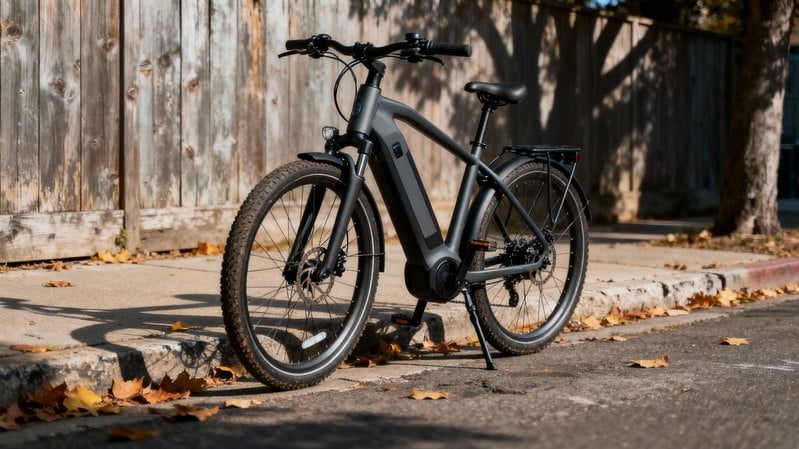
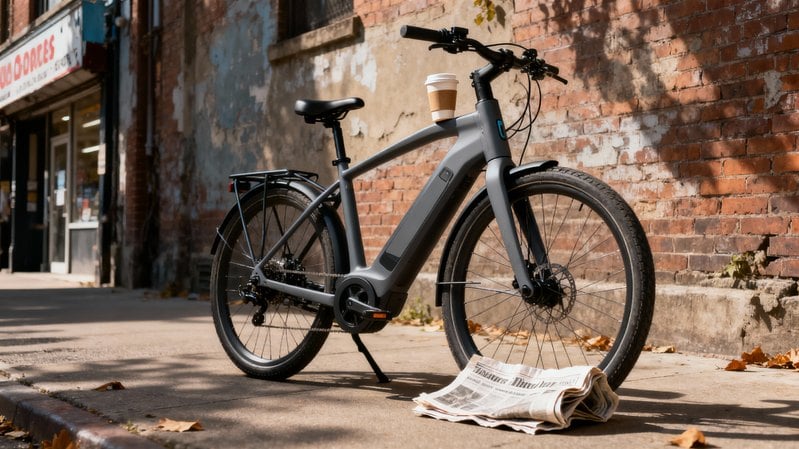
City or commuter e-bikes are the most common. They are designed for daily trips, work commutes, and quick rides around town. They usually have comfortable seats, upright posture, and simple controls.
Folding e-bikes work well if you live in a small apartment or need to carry your bike in a car. They are compact and practical but may feel slightly less stable on long rides.
Mountain or trekking e-bikes are built for rougher paths and outdoor adventures. They offer stronger motors and better suspension to handle bumps and trails.
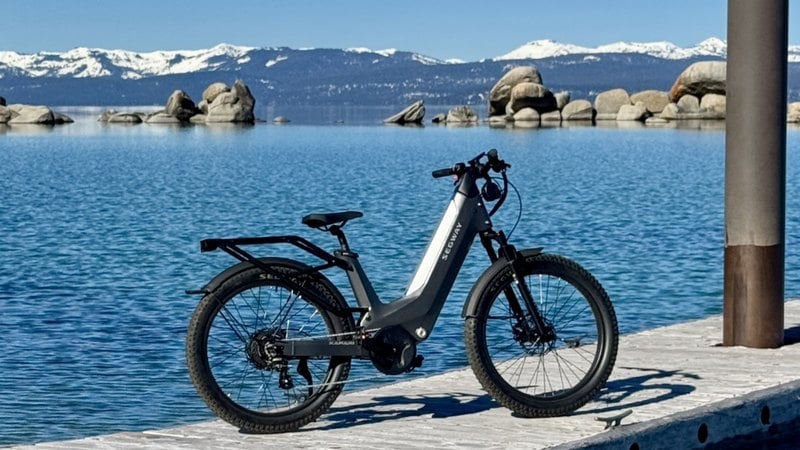
You will also see step-through frames, which have a low bar that makes it easy to get on and off the bike. These are great for riders who prefer a more relaxed riding style or want extra stability when stopping.
Choosing a style is mostly about how and where you plan to ride. The more your needs match the bike’s purpose, the better your riding experience will be.
4. Why People Choose an Electric Bike
People buy electric bikes for many different reasons, but convenience is always at the top of the list. Riding becomes less tiring, especially on hills or long trips. This makes daily commuting more pleasant, and you arrive without feeling sweaty or worn out.
For older riders or people with joint discomfort, an e-bike makes cycling possible again. It reduces strain on knees and helps maintain a comfortable pace. Families also use e-bikes to carry kids or groceries without the usual heavy effort.
Another benefit is saving money. Compared to a car or scooter, an electric bike costs far less to operate. There is no fuel, and maintenance is usually simple. It is also easier to find parking and avoid traffic altogether.
All of these advantages make an e-bike a practical, enjoyable way to travel short and medium distances.
5. Key Things to Check Before You Buy
Before choosing an e-bike, focus on a few important factors.
Range: Think about how far you ride on a typical day. Bigger batteries offer longer range, but they also add weight. A realistic estimate matters more than the number printed on the box, because real-world conditions can reduce range.
Battery and charging: Most batteries take three to six hours to charge. Consider where you will charge the bike and how often. A removable battery offers more flexibility for home or office charging.
Motor power: If you ride mostly on flat roads, a moderate motor is enough. If you climb hills or carry heavy loads, a stronger motor will feel smoother and more reliable.
Bike weight: E-bikes are heavier than regular bikes. Make sure you can lift or move it if needed, especially if you live in an apartment or store the bike indoors.
Keeping these points in mind helps you avoid buying a bike that feels uncomfortable or inconvenient later.
6. Comfort and Safety You Should Not Ignore
Comfort is just as important as performance. The right frame size ensures that your back, arms, and legs feel natural while riding. A proper fit reduces fatigue and increases confidence.
Look for basic safety features such as strong brakes, bright front and rear lights, reflectors, and a bell. These elements make everyday riding safer, especially in traffic or low light.
Local rules also matter. Some areas require helmets or limit which bike types can use certain paths. Knowing these guidelines helps you ride responsibly and avoid fines.
7. Budget, Test Ride, and Where to Buy
E-bikes come in a wide range of prices. Budget models can be tempting, but extremely cheap bikes may have weaker parts or shorter battery life. Mid-range bikes often offer better long-term value.
Whenever possible, take a test ride. Pay attention to how the bike starts, how it stops, how comfortable it feels, and whether the motor is smooth or noisy. A short ride reveals more than any online description.
Buying from a local shop offers support for repairs and adjustments, while buying online may give you more options but less personal assistance. Choose the method that feels right for your experience level.
FAQ
1. Do you still need to pedal on an electric bike?
Yes. Most e-bikes use pedal assist, meaning you still pedal but with extra help from the motor.
2. How long does an electric bike battery last?
Most batteries last several years if charged properly and not stored in extreme temperatures.
3. Can an electric bike be used in the rain?
Yes. E-bikes are built for everyday weather, but they are not meant for deep water or heavy flooding.
4. Is an electric bike good for people who have not cycled in years?
Absolutely. The motor support makes it easier to start riding again without feeling tired quickly.
5. How much maintenance does an electric bike need?
Routine checks on the chain, brakes, and tires are usually enough. The electrical parts are mostly maintenance-free.
Conclusion
Understanding what an electric bike is and how it works makes the buying process far less confusing. By thinking about your daily routes, comfort needs, and budget, you can choose a bike that improves your routine instead of complicating it. A good e-bike should fit naturally into your life and make every ride feel easier.
Related Articles
 Buying an eBike on Payments: What You Need to Know
- Unexpected Benefits of Buy Now Pay Later eBikes
- Buying an eBike on Payments: What You Need to Know
- Unexpected Benefits of Buy Now Pay Later eBikes
- Your Complete Guide to Buying an eBike with Buy Now Pay Later Financing

- AutomotiveBuying an eBike on Payments: What You Need to Know
- AutomotiveUnexpected Benefits of Buy Now Pay Later eBikes
- AutomotiveBuying an eBike on Payments: What You Need to Know
- AutomotiveUnexpected Benefits of Buy Now Pay Later eBikes
- AutomotiveYour Complete Guide to Buying an eBike with Buy Now Pay Later Financing